HAVE YOU ALERTED YOUR CREDIT CARD?
QUESTIONS OR HELP?
Contact us to speak with a jewelry concierge today

Contact us to speak with a jewelry concierge today

Search

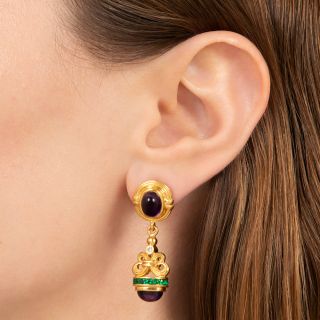
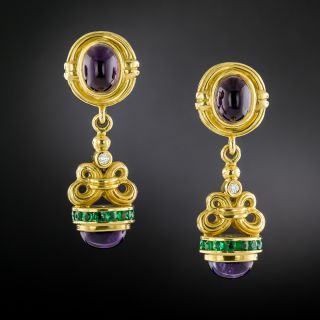
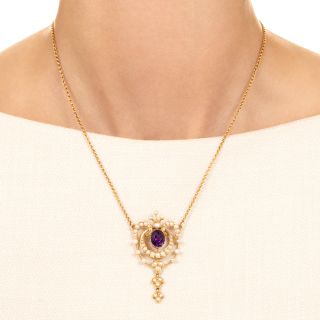
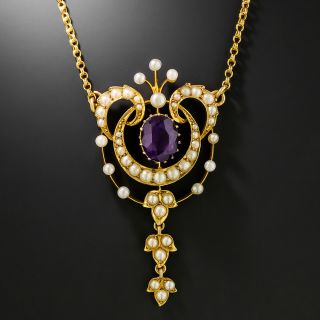
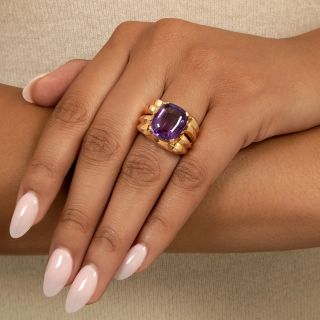
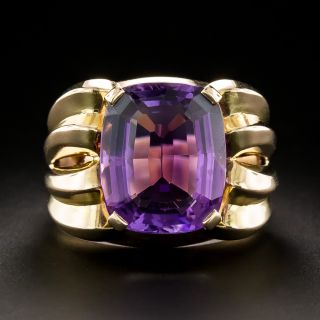
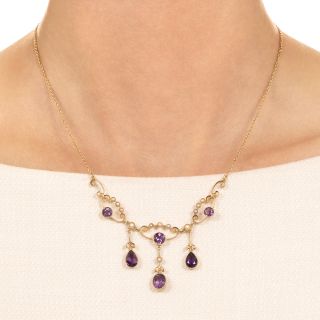
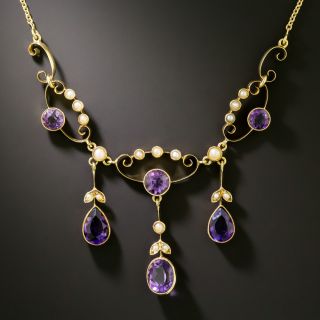
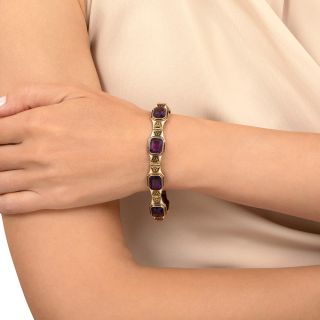
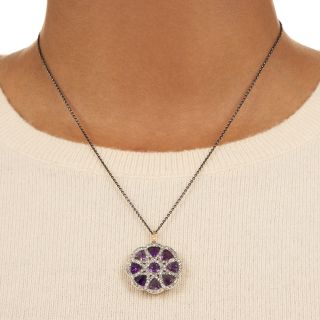
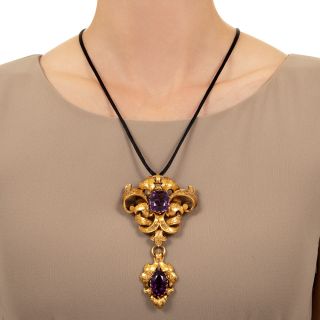
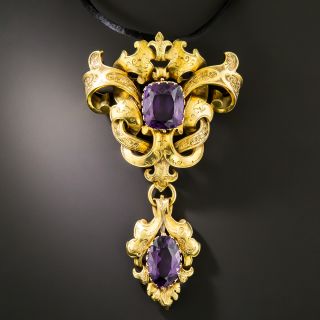
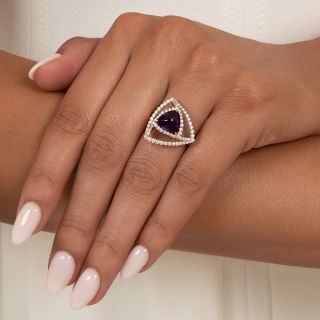
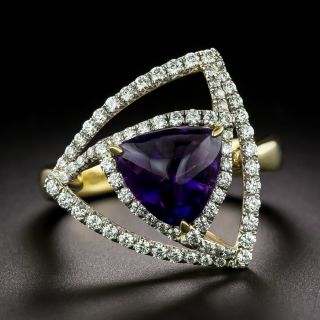
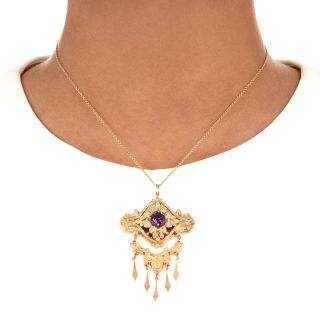
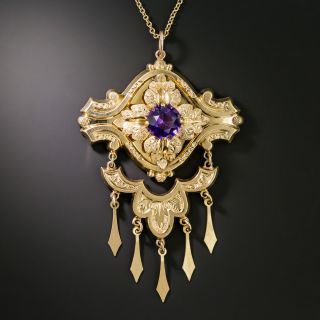
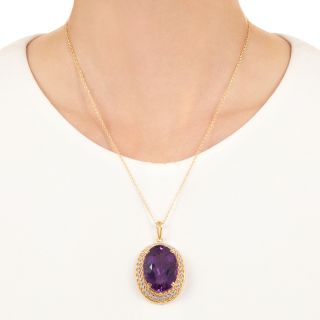
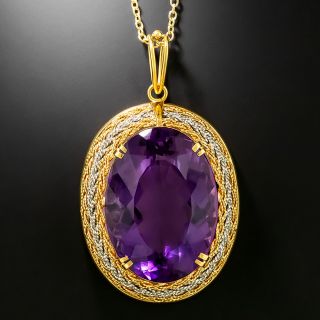
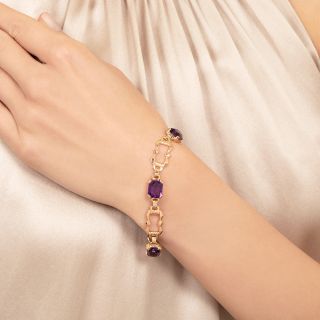
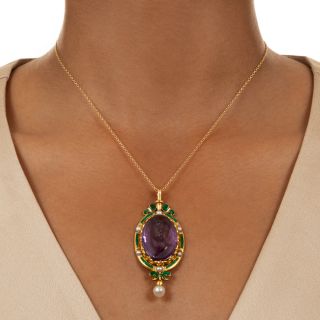
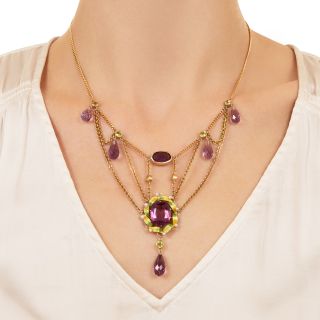
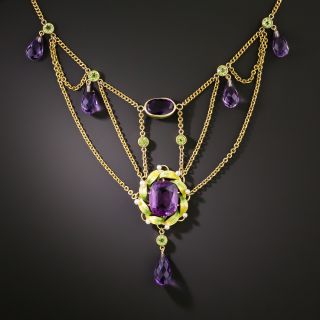
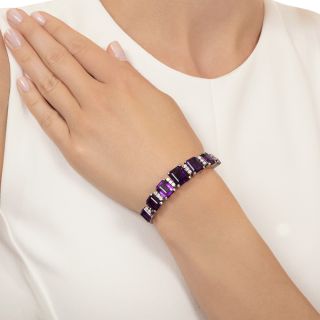
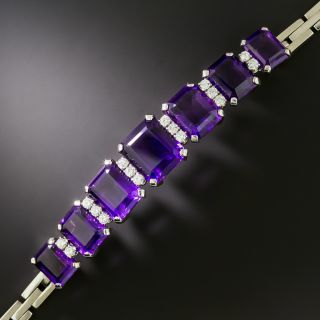
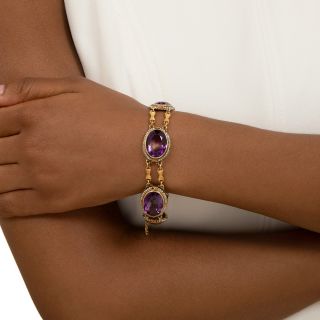
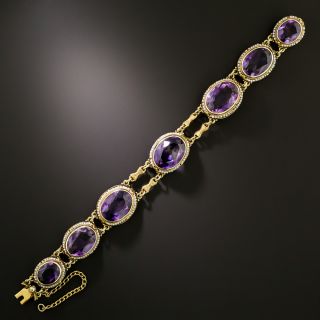
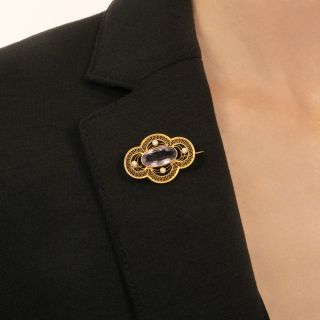
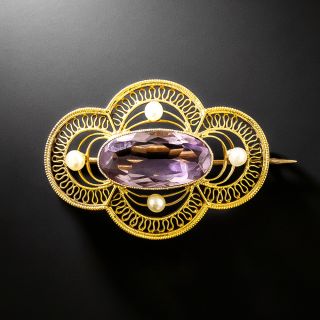
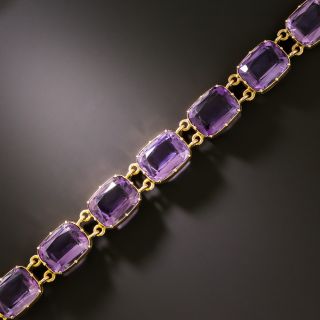
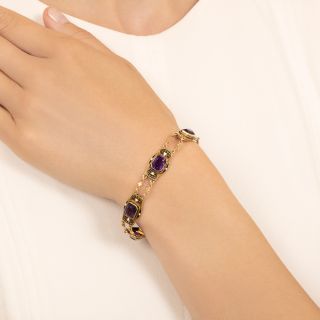
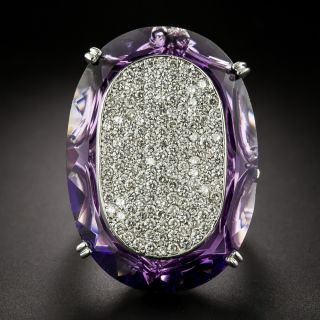
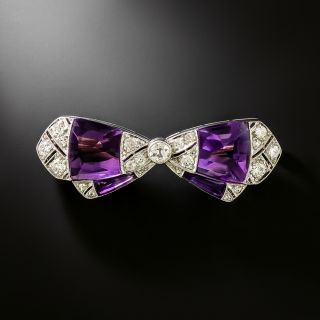
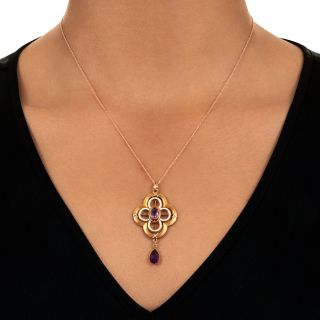
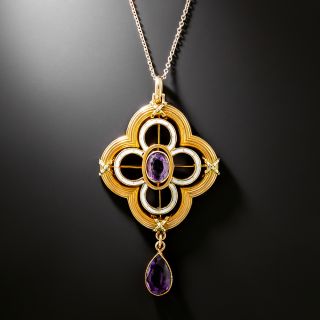
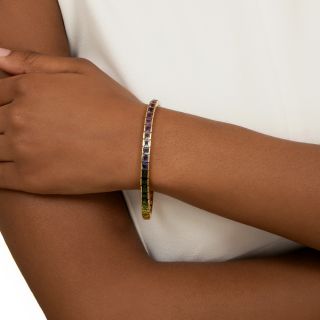
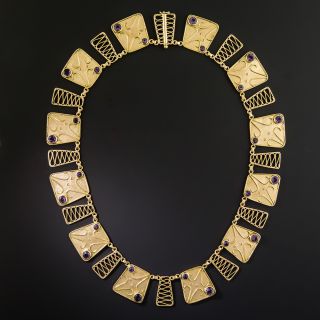
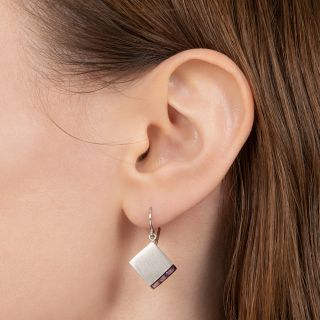
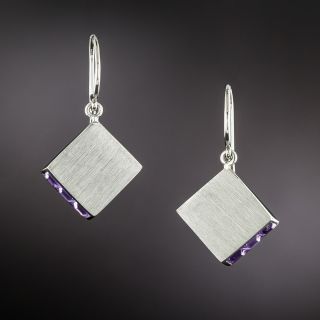
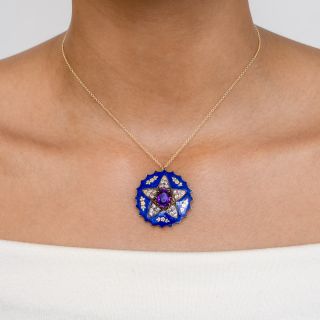
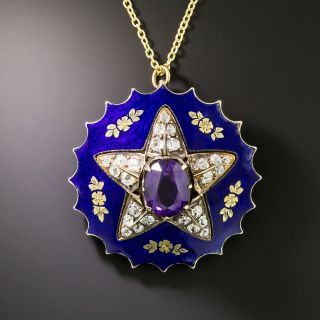
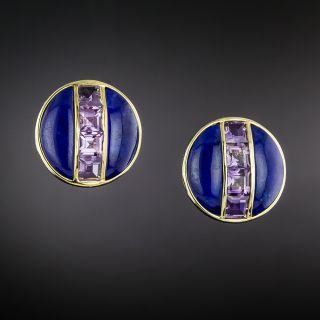
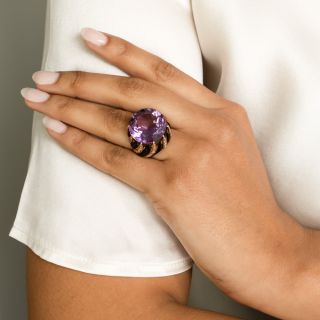
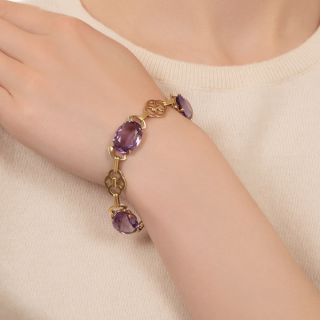
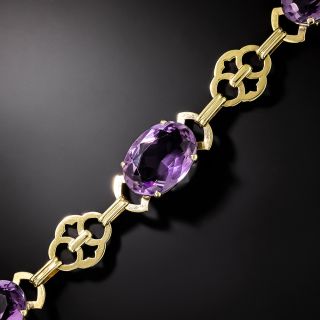
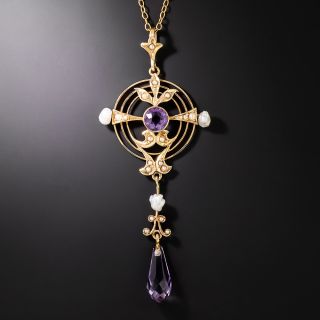
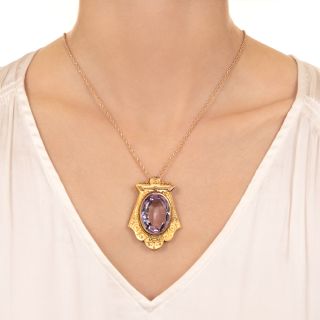
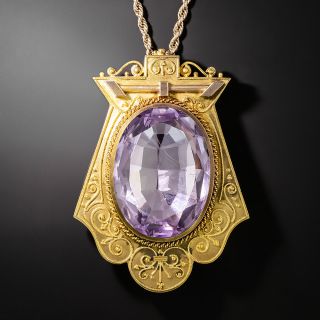
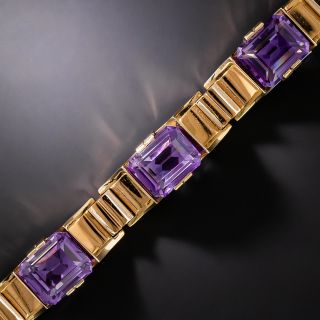
Antique and vintage amethyst jewelry has long been admired for its rich color and versatility. Once considered a gemstone reserved for royalty, amethyst became especially popular in antique and vintage designs due to newly discovered sources that made larger, more vibrant stones available. Jewelers embraced amethyst’s range of purple hues, from pale lavender to deep royal violet, crafting elegant, expressive pieces. Whether set in warm gold or cool platinum, antique and vintage amethyst jewelry captures the spirit of its era while remaining infinitely wearable today.
The distinction is in age. Antique jewelry is at least 100 years old, while vintage jewelry dates from 20 to 99 years old. Both categories include beautifully crafted amethyst pieces with their own history and character.
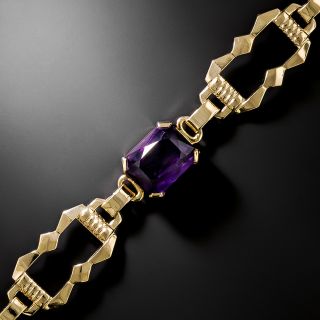
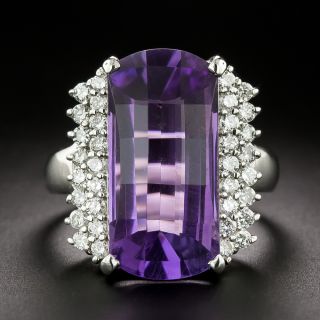
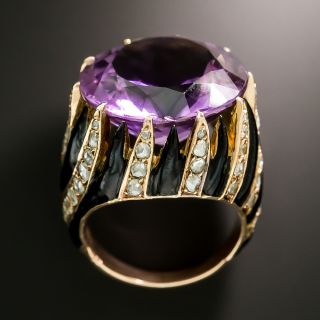
Older gemstones were often cut by hand to enhance color and glow rather than sparkle. This gives vintage amethysts a softer, more romantic feel.
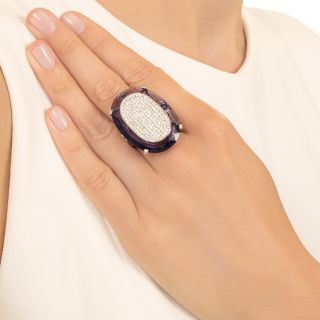
Amethyst has excellent durability, but like all vintage gemstones, it benefits from mindful wear. For example, rings should be removed during cooking, gardening, and certain types of exercise.
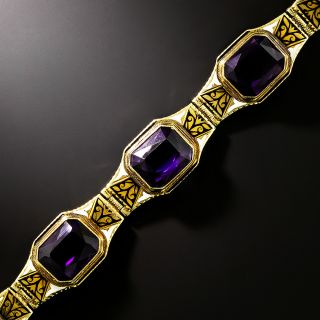
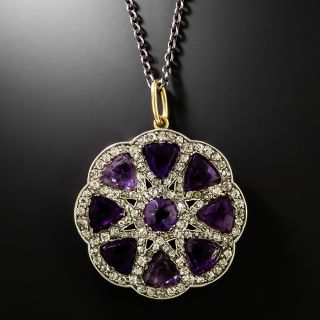
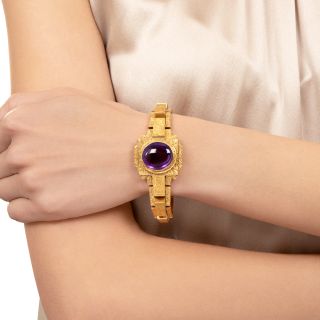
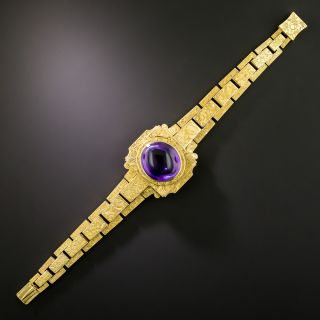
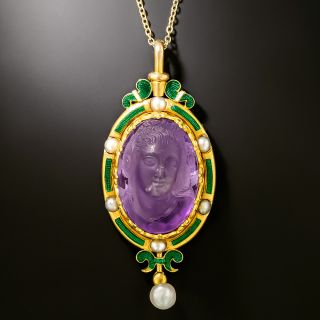
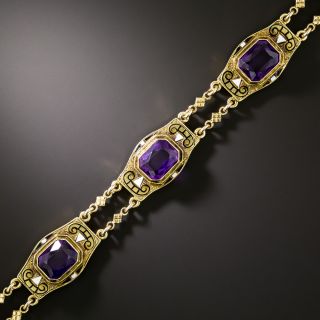
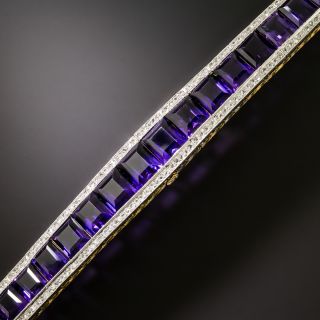
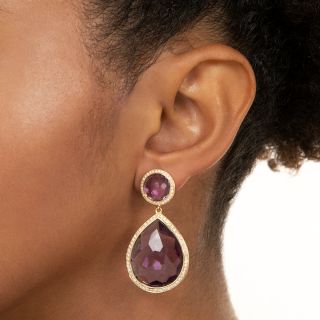
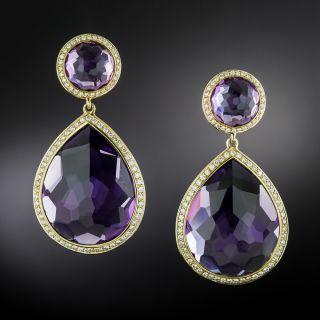
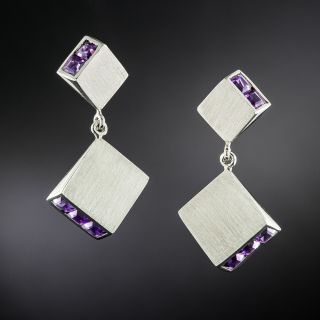
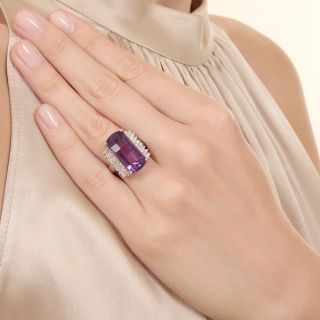
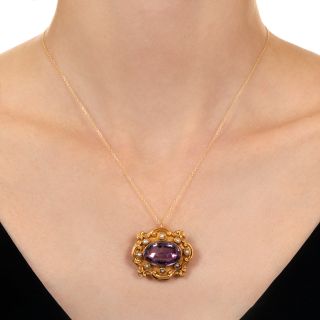
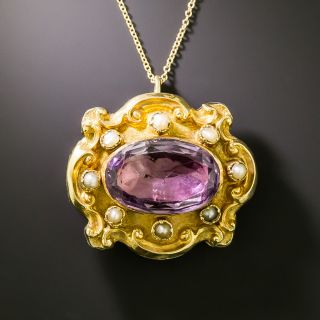
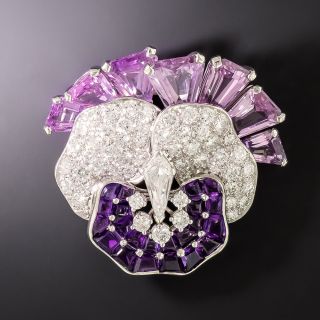
One of the pleasures of collecting antique and vintage amethyst jewelry is discovering how earlier jewelers selected and cut each stone. Amethysts were often cut to achieve depth of color rather than sparkle, with subtle inclusions and color zoning contributing to a stone's individuality. Paired with hand-fabricated settings and distinctive metalwork, each piece tells its own story through color and form.
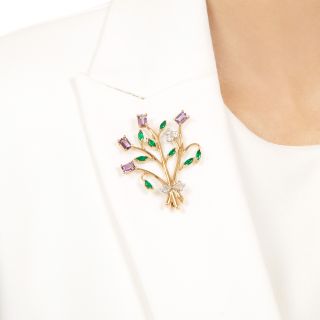
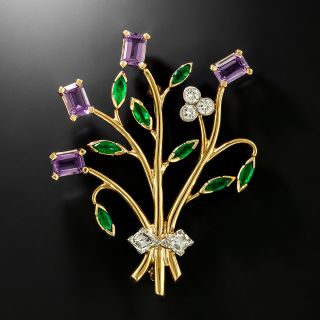
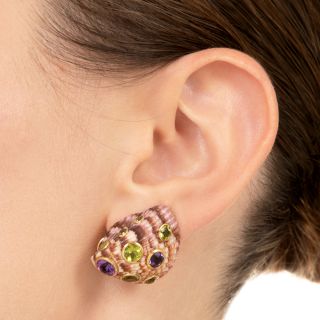
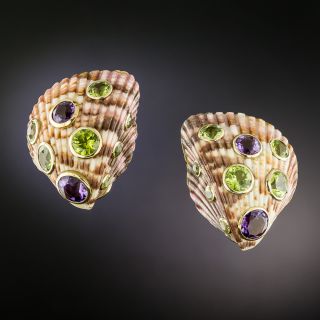
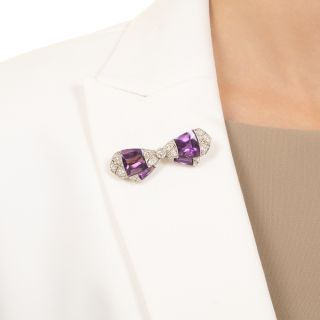
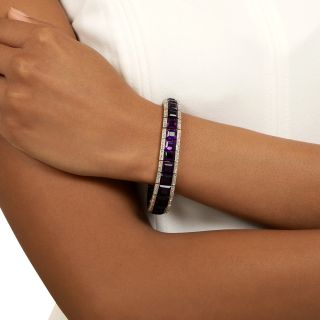
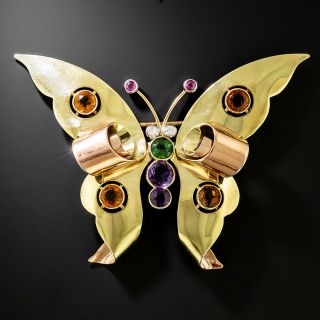
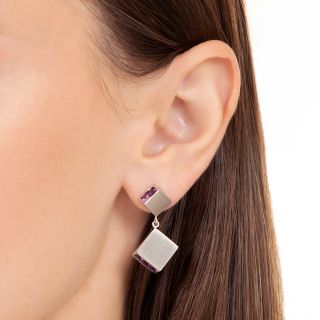
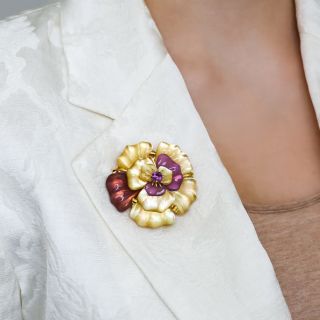
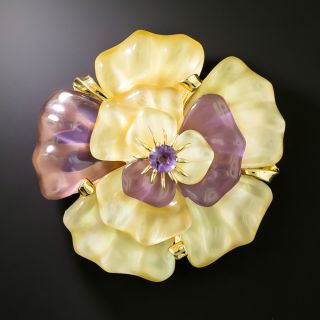
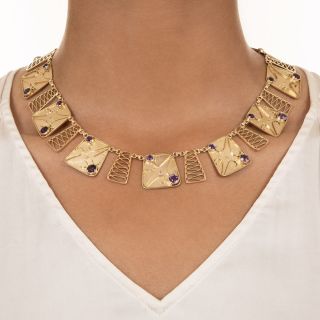
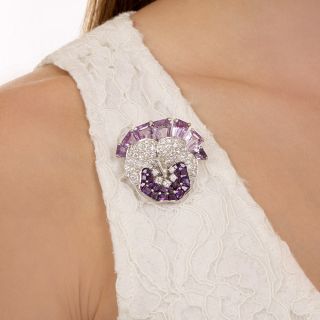
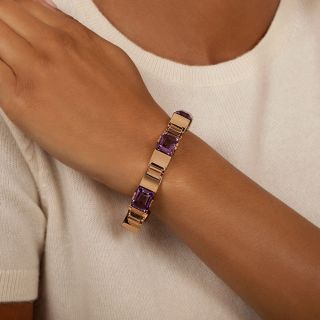
Throughout history, amethysts have appeared in all manner of jewelry, with skillful jewelers using their glorious color to enhance the beauty of each era’s unique styles:
Amethyst has carried powerful symbolism throughout history, often associated with clarity, protection, and balance. In ancient times, it was believed to guard against excess and promote a calm, focused mind—hence its long-standing connection to wisdom and spirituality. Victorian jewelers embraced amethyst for its noble associations, while later eras celebrated amethyst for its expressive color. Today, many collectors are drawn to this gemstone for its beauty as well as the serenity and confidence it is believed to inspire.
Whether you're drawn to soft, watercolor lavender tones or deep, dramatic purples, antique and vintage amethyst jewelry offers a captivating blend of color and history. BBrowse the collection to find the piece that speaks to your style and your story.
Shop All Vintage Gemstone Jewelry