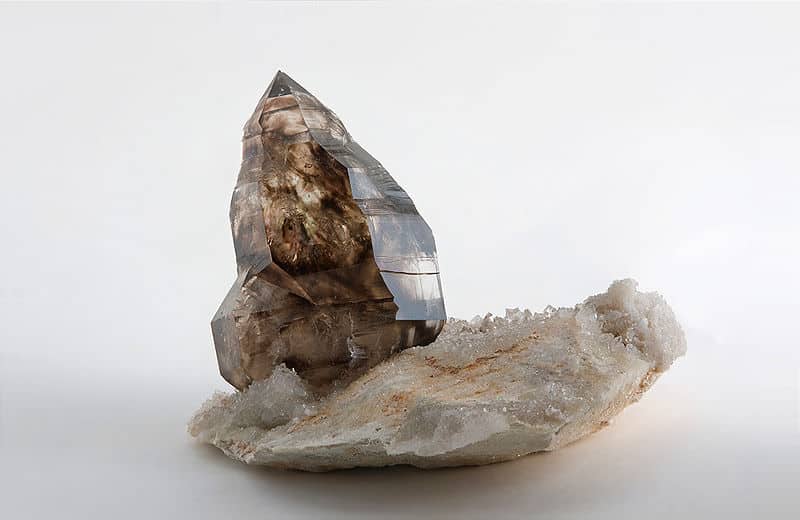
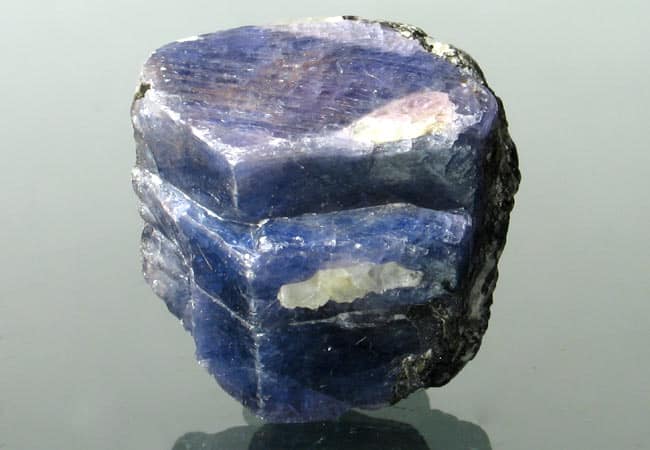
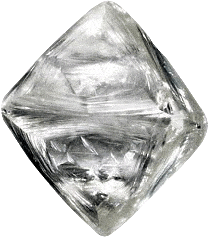
Hardness in jewelry terms (and gemology) means the ability of a subject to withstand abrasion by another subject. The most widely used scale of hardness (in gemology) is Moh’s scale of relative hardness. This scale is from 1 to 10 with gypsum rated at a 1 and diamond rated at 10. A material – or gemstone – that is lower on the scale can not leave a scratch on a material that is higher on Moh’s scale. Quartz (at place 7) is a critical point as dust in the air has many minute silica particles in it and may scratch gemstones and other materials below place 7 on the hardness scale. Sand also consists in part of quartz and may cause jewelry to be damaged during activities such as gardening.
Moh's Scale of Relative Hardness
| Name | Image |
|---|---|
| 1. Talc | ![]() |
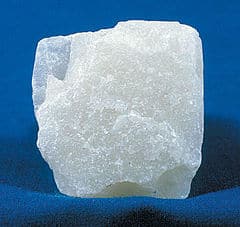
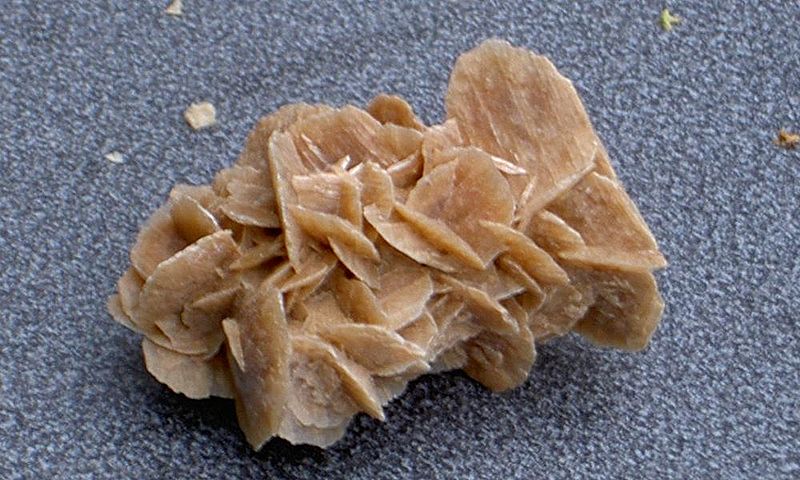
| 2. Gypsum | ![]() |
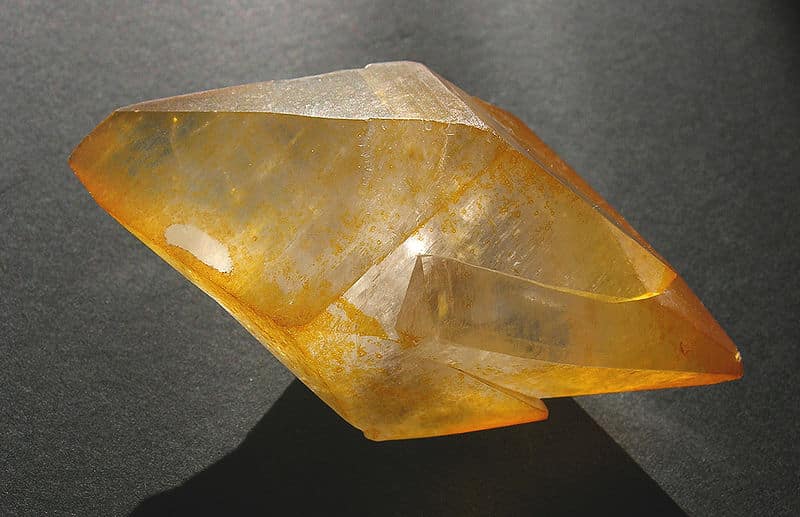
| 3. Calcite | ![]() |
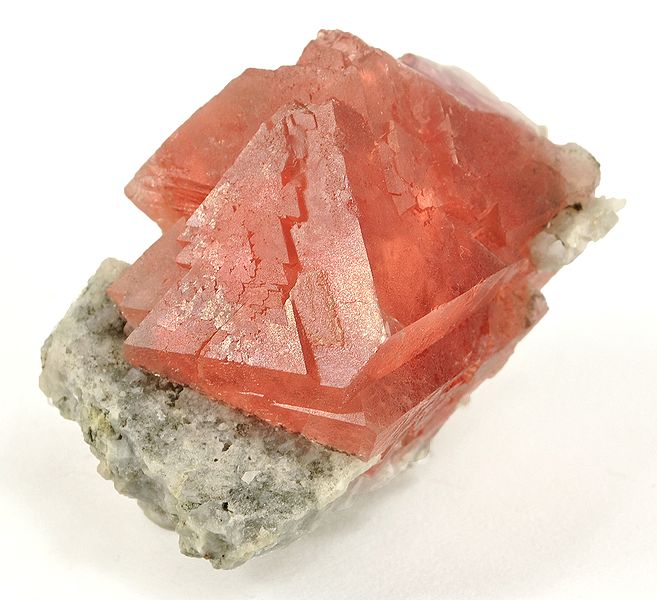
| 4. Fluorite | ![]() |
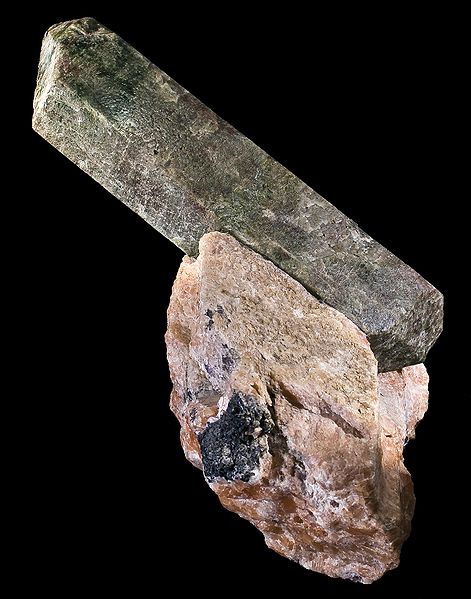
| 5. Apatite | ![]() |
| 6. Orthoclase Feldspar | ![]() |
| 7. Quartz | ![]() |
| 8. Topaz | ![]() |
| 9. Corundum | ![]() |
| 10. Diamond | ![]() |